Promoting Rule of Law and Human Rights in Asia
The U.S.-Asia Law Institute serves as a bridge between Asia and America, fostering mutual understanding on legal issues and using constructive engagement to advocate for legal progress.
New and Notable
China’s National People’s Congress has just approved an ambitious new Ecological and Environmental Code (生态环境法典) to unify and update the country’s previously fragmented ecological and environmental governance framework. USALI visiting scholar Feng Ge assesses the achievements of codification, but notes that the Code weakens the ability of civil society organizations to help enforce the law through environmental public interest litigation.
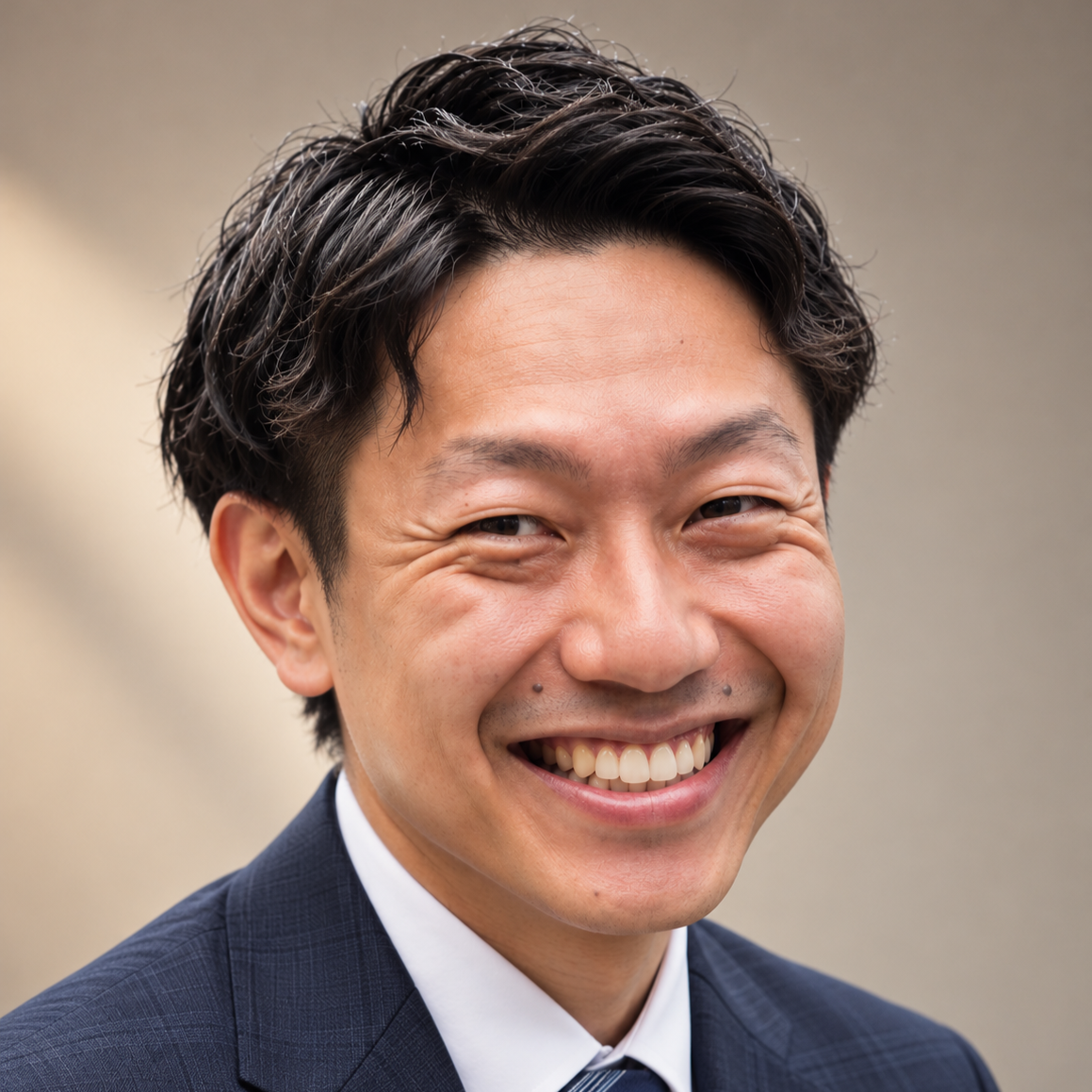
Japan’s overseas generosity in the form of aid has been a big part of its positive global image. It led the world in ODA for the entire 1990s in terms of total amount. But Hiroaki Shiga warns that Japan is increasingly using its aid program to counter China’s growing geopolitical influence, and in the process is adopting some negative features of Beijing’s approach.
The 2030 Agenda for Sustainable Development identifies ensuring equal access to justice for all as one of its specific goals, aligning with the rights proclaimed in multiple international human rights treaties. Taking “equal access to justice” as an entry point, Yizhi Huang’s article compares the 2030 Agenda and international human rights treaties across three dimensions: background, content framework, and monitoring mechanisms. It argues that it is necessary to integrate the human rights mechanisms with the 2030 Agenda and coordinate both approaches in order to enhance judicial protection for vulnerable groups and achieve judicial justice for all.
April 05 – April 11
Chinese Communist Party General Secretary Xi Jinping meets with the chair of Taiwan’s largest opposition party to make the case that cross-straits relations is a domestic affair; political figures from Taiwan’s ruling Democratic Progressive Party are critical but restrained in their responses to the meeting; China’s State Council announces a new framework for ensuring industrial supply chain security; Hong Kong authorities continue their securitization of society by linking restaurant licenses to national security conditions; Japanese lawmakers discuss creating a committee to draft revisions to the constitution; South Korea fines Christie's 280 million won after a data breach exposed 620 clients' personal information.
March 29 - April 04
China’s internet regulator proposes rules for a new AI product - digital humans; Chinese leader Xi Jinping purges another Politburo member; Hong Kong’s government seeks to confiscate properties linked to former Apple Daily owner Jimmy Lai's national security offenses; Japan debates a proposal to criminalize damaging the national flag; South Korea’s legislature softens the language used to describe unification with North Korea; the head of Taiwan’s opposition Nationalist Party accepts a controversial invitation from Chinese President Xi Jinping to visit.
March 22 - March 28
China announces investigations into US trade practices that disrupt global supply chains and hinder green energy trade; Hong Kong police accuse a bookstore owner and his employees of selling seditious publications; a draft of this year’s edition of Japan’s Diplomatic Bluebook drops the phrase that peace and stability in the Taiwan Strait are important for Japan’s security; North Korea's Supreme People's Assembly reappoints Kim Jong-un to a third term as president of the State Affairs Commission; a Taiwan court convicts former presidential candidate Ko Wen-je of accepting bribes and other charges, and sentences him to seventeen years in prison.
Program on International Law & Relations in Asia